Shopping, often reduced to a mundane necessity, transforms into a captivating cultural expedition when traveling the globe. It is a universal human activity, yet its form, function, and spirit change dramatically from one continent to the next. From the disciplined perfectionism of Tokyo’s department stores to the chaotic, sensory overload of a Marrakech souk, shopping around the world offers a unique window into local life, craftsmanship, and economic ritual. This article takes you on a tour of the world’s most unique shopping cultures, illustrating how the act of buying becomes an essential part of the travel experience itself.
The Art of Exchange: Haggling and Human Connection
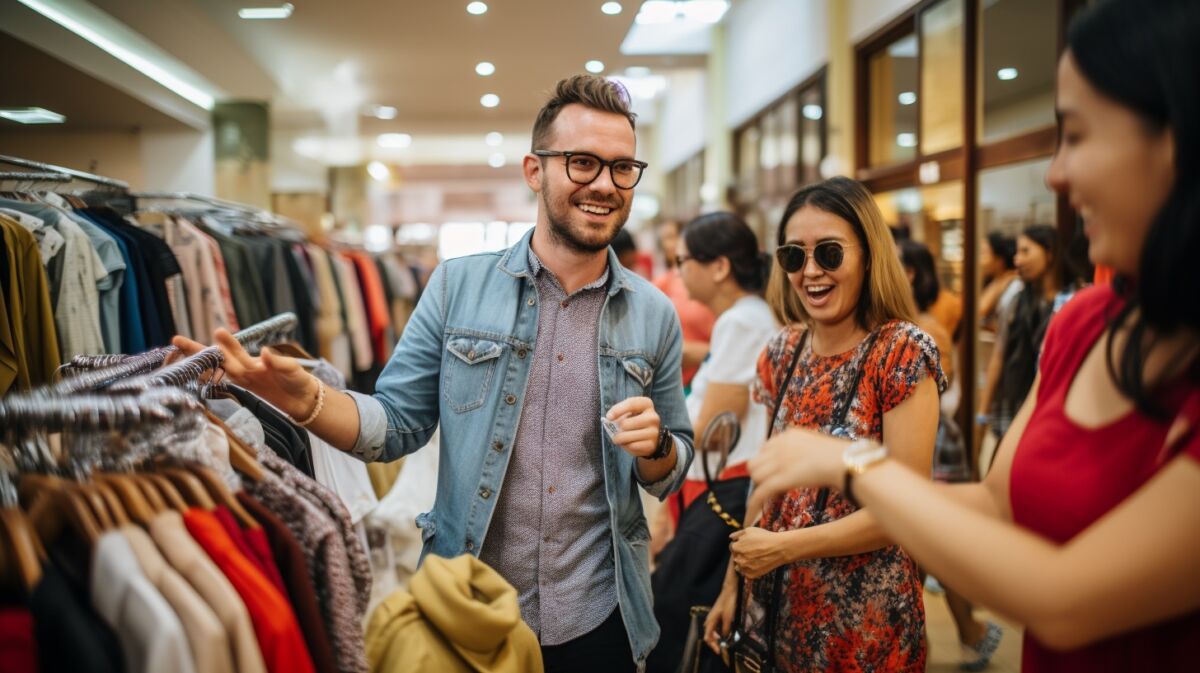
In many parts of the world, shopping is not a silent, transactional activity but a lively, engaged exchange—a social performance where price is negotiated, and human connection is paramount.
The Vibrant Chaos of the Middle Eastern Souk
The traditional souk (market) is the epicenter of commerce and community in much of the Middle East and North Africa. Places like the Jemaa el-Fnaa in Marrakech, Morocco, or the covered markets of Istanbul are sensory explosions: the smell of leather and spices, the calls of vendors, and the dizzying arrays of color.
- Haggling as Respect: Here, haggling is expected and is often an essential part of the transaction. It is less about saving a few dollars and more about engaging in a respectful, sometimes humorous, negotiation ritual. The price agreed upon signifies mutual respect and marks the successful conclusion of a brief, intense interaction. To buy without haggling is to miss a crucial cultural experience.
- The Importance of Tea: Transactions are often prefaced or concluded with a small glass of sweet mint tea. This pause for hospitality breaks down commercial barriers, establishing a momentary bond between buyer and seller that is as valuable as the purchase itself.
The Sanctuary of Precision: Efficiency and Quality in Asia
Contrasting sharply with the souk’s vibrant chaos are the shopping cultures of East Asia, characterized by impeccable service, design precision, and deep respect for craftsmanship.
Japan’s Department Store Experience
Shopping in Japan, particularly in cities like Tokyo and Osaka, is an experience defined by order and unwavering dedication to quality. Japanese department stores (like Isetan or Mitsukoshi) are temples of retail, where customer service is an art form.
- Omotenashi: The concept of selfless hospitality, or omotenashi, dictates every interaction. Products are wrapped with meticulous care, staff members bow deeply, and the shopping environment is spotless and quiet. The focus is on the flawless presentation and the complete satisfaction of the customer.
- Specialized Craftsmanship: Beyond the luxury malls, the back streets of cities offer tiny shops dedicated to centuries-old crafts: exquisite hand-forged kitchen knives (hocho), artisan stationery, or traditional ceramics. Buying here is an investment in unparalleled, often minimalist, quality.
South Korea’s K-Beauty and Digital Speed
South Korea, particularly Seoul, showcases the future of fast, trend-driven retail. Its Myeongdong district is famous for its intensive, often free, sampling culture around K-Beauty products. Shopping here is competitive, fun, and fast, reflecting the nation’s rapid embrace of technology and global trends. The integration of digital payment and instant online-to-offline pickup makes the transaction seamless.
The European Aesthetic: Timeless Style and Local Flavour
European shopping cultures prioritize legacy, style, and the integration of commerce with daily life.
Italy’s Artisanal Workshops
In Italy, especially in Florence and smaller towns, shopping often means stepping into the working studio of a craftsman. Whether it’s leather goods, jewelry, or ceramics, the focus is on Made in Italy quality and heritage.
- Direct from the Maker: Many shops function as both studio and storefront, allowing the buyer to see the leather cut or the jewelry soldered. This transparency validates the quality and adds a layer of authenticity to the purchase. Shopping here is about acquiring a piece of enduring, timeless style, not fleeting trendiness.
French Market Charm
The ubiquitous marchés (markets) of France—from Provence to Paris—offer a shopping experience centered on fresh, local, and seasonal products. The experience is intimate, focused on dialogue about ingredients (cheese, wine, fresh produce), and integral to the national culinary identity. Buying here is participating in a daily, edible ritual.
Conclusion: Every Purchase is a Passport
Shopping around the world is far more than an opportunity for consumption; it is a critical lens through which to view human culture, economic values, and artistic expression. Whether you are navigating the social dance of haggling in a souk or marveling at the quiet precision of a Japanese boutique, the act of buying becomes a personal passport to cultural understanding.
The items we bring home are not just souvenirs; they are tangible memories, imbued with the stories of the people and the places we encountered during the transaction. Embracing the unique shopping culture of a destination enriches the travel experience and fosters a deeper appreciation for the diversity of global commerce.
