In the modern world of endless consumer choices and hyper-busy schedules, the humble shopping list remains one of the most powerful tools for personal organization. While it may seem like a simple scrap of paper or a digital note, the structure of a shopping list can drastically influence your spending habits, your nutritional health, and your mental clarity. Most people view a shopping list as a singular concept—a list of things to buy. However, professional organizers and efficiency experts recognize that there are various types of shopping lists, each tailored to specific needs and lifestyles.
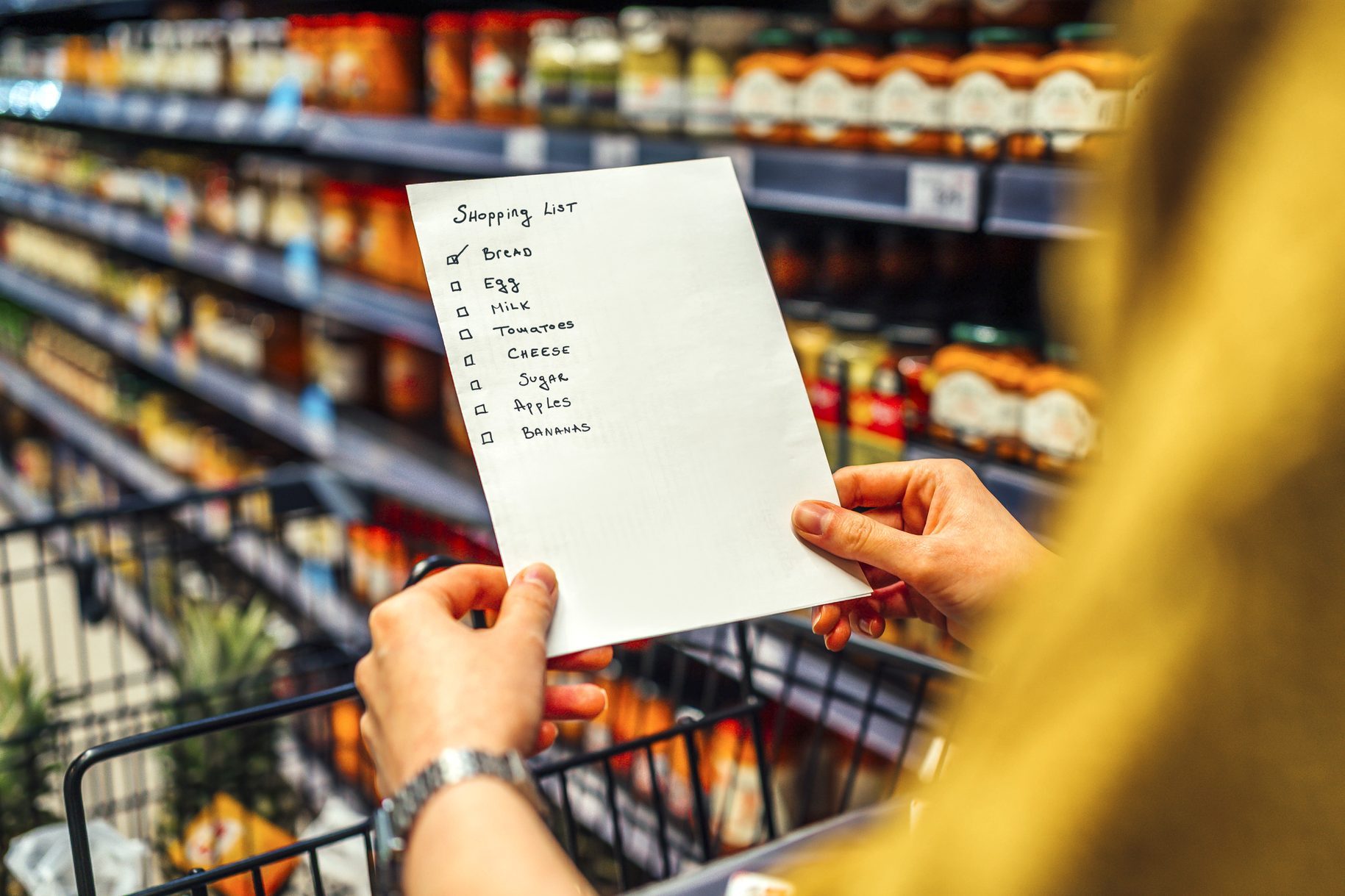
Understanding the different types of shopping lists can help you move from a reactive “emergency” shopper to a proactive, strategic consumer. Whether you are managing a large household, living solo, or trying to stick to a strict budget, choosing the right list format can save you hours of time and hundreds of dollars annually.
The Traditional Running List
The running list is the most common and intuitive type of shopping list. It operates on a simple principle: as soon as an item is used up or noticed to be low, it is added to the list. This list usually lives on the refrigerator door, a chalkboard in the kitchen, or a shared digital note.
The primary advantage of the running list is that it prevents the “forgotten item” syndrome. Because you record the need the moment it arises, you don’t have to rely on your memory once you get to the store. This type of list is excellent for staples such as milk, eggs, or detergent. However, the downside is that it can become disorganized and cluttered, often lacking a logical flow for the actual shopping trip.
The Categorized or Aisle-Mapped List
For those who want to minimize the time spent physically inside a store, the categorized list is the gold standard. Instead of writing items in the order you remember them, you group them by department: produce, dairy, frozen foods, meat, and household goods.
Advanced shoppers often take this a step further by creating an “aisle-mapped” list, which follows the specific layout of their favorite local supermarket. By organizing your list to match the path you walk through the store, you eliminate the need to backtrack across the building for a forgotten head of lettuce. This method is highly effective for reducing decision fatigue and resisting the temptation of impulse buys found in aisles you don’t actually need to visit.
The Inventory-Based List
The inventory-based list is a more sophisticated approach often used by “pantry challenged” individuals or those who practice bulk buying. Before writing a single item down, the shopper performs a quick audit of their current stock—checking the pantry, the freezer, and the spice rack.
This type of list ensures that you never buy a third jar of mayonnaise simply because you “thought” you were out. It encourages “cooking from the pantry,” where you plan meals based on what you already have and only list the missing “bridge” ingredients. This is arguably the best list type for reducing food waste and keeping a lean, efficient kitchen.
The Master/Template List
A master list is a comprehensive document that includes every item the household typically uses over a month or a quarter. Instead of writing a new list every week, you simply print or open the digital master list and check off the items that are needed for that specific trip.
This type of list is particularly helpful for people who find the blank page of a new shopping list overwhelming. It serves as a visual prompt, reminding you of items you might otherwise forget, such as light bulbs, batteries, or specific cleaning supplies that are only purchased occasionally. It provides a consistent structure that makes the planning phase of shopping much faster.
The Budget-Capped or Price-Point List
For individuals living on a strict budget, the price-point list is an essential financial tool. This list includes an estimated price next to each item before entering the store. As you add items to your cart, you check them against your estimates to ensure you are staying within your allocated budget.
This type of list forces a level of mindfulness that other lists do not. If you see that your “wants” are pushing the total over your limit, the list allows you to make informed trade-offs in real-time. It turns shopping into a mathematical exercise rather than an emotional one, significantly curbing the urge to overspend on non-essentials.
The Menu-Driven or Recipe List
The menu-driven list is born directly from a meal plan. If you have decided to cook five specific recipes for the week, your shopping list is derived purely from the ingredient lists of those dishes.
This method is highly effective for health-conscious individuals because it ensures that every item bought has a specific purpose. There is very little “random” food in the cart. While this requires more upfront planning, it results in the most organized kitchen and the most cohesive dining experience. It is the antithesis of the “buy everything and see what happens” approach.
The Digital Collaborative List
In the age of smart technology, the collaborative list has changed the way families shop. Using apps that sync across multiple devices, any family member can add an item to the list from their phone at any time.
The strength of the collaborative list is real-time updates. If a spouse is already at the store, they can see an item added by someone at home just seconds prior. It eliminates the need for phone calls or “did you get the…” text messages. It also allows for the integration of digital coupons and loyalty card points, merging organization with modern savings.
Conclusion
A shopping list is more than a reminder; it is a strategy. Whether you prefer the organic flow of a running list, the high-level organization of an aisle-mapped list, or the financial discipline of a price-point list, the key is to choose the method that aligns with your personality and goals.
By moving away from a haphazard approach and embracing a specific shopping list type, you reclaim control over your environment. You save time, reduce stress, and ensure that your home remains a well-supplied sanctuary rather than a source of constant “missing item” frustration. The best list is the one that you will actually use, so experiment with these different types to find the one that makes your life the most efficient.
