An umbrella is perhaps the most underrated piece of outdoor equipment. Often purchased as an afterthought during an unexpected downpour, a good umbrella should be viewed as a crucial tool for family preparedness and comfort. Buying one—or several—requires more consideration than simply choosing the cheapest option at the checkout counter. For a family, the perfect umbrella involves a careful balance of size, durability, safety, and convenience. This comprehensive guide will navigate the key considerations to ensure your family remains dry, safe, and comfortable, whether facing a sudden cloudburst or simply strolling through a sunny park.
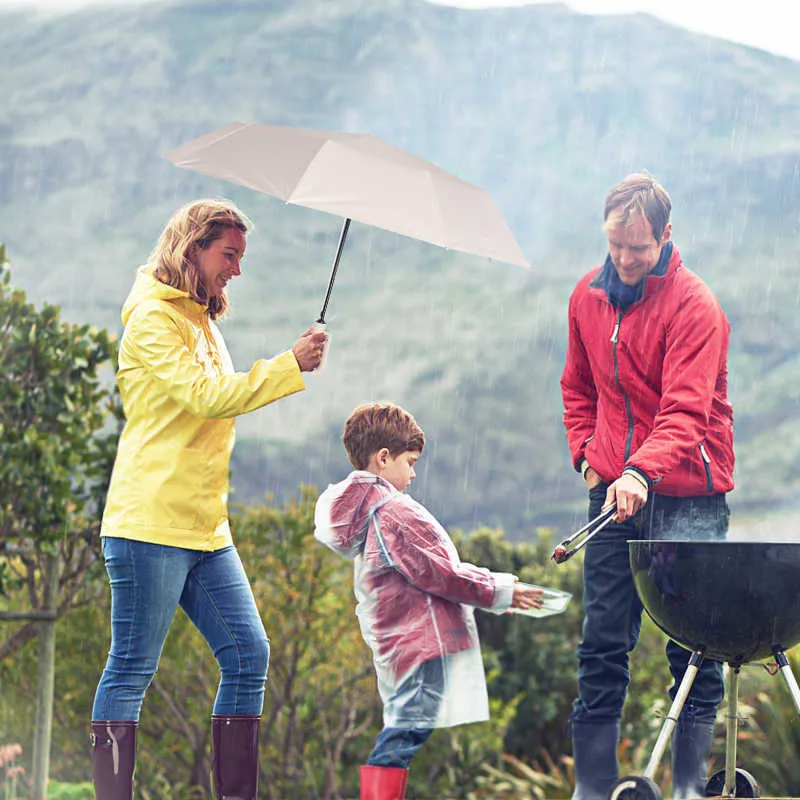
The Family Umbrella Philosophy: Investing in Preparedness
For a single person, a compact, folding umbrella might suffice. For a family, the requirements scale up significantly. You need solutions for different ages, different purposes, and, most importantly, different weather conditions. Thinking strategically about umbrella purchases transforms them from disposable items into long-term investments in your family’s daily logistics.
The Core Considerations for Family Use
- Durability and Wind Resistance: This is non-negotiable. A family umbrella must withstand significant stress. Look for features like a vented canopy (which allows wind to pass through, preventing inversion), a fiberglass frame (lighter and less prone to snapping than metal), and a high rib count (typically 8 to 16 ribs for superior strength).
- Size and Coverage: You will likely need a mix of sizes. A large, oversized golf umbrella is ideal for sheltering a parent and a child simultaneously. Individual members need personal, practical sizes.
- Safety Features: This is especially critical for children. Look for blunt tips (ferrules) and rounded edges on the ribs. High-visibility colors or reflective strips on the canopy are invaluable for crossing streets in low-light, rainy conditions.
- Ease of Use: An umbrella that is too complicated to open or close will simply not be used. Automatic open/close mechanisms are essential for parents juggling children and bags. For kids, a simple, non-pinching manual slide mechanism is best.
Understanding Umbrella Types for Specific Family Needs
A “one-size-fits-all” approach fails families. Smart buying means purchasing specific types for specific roles.
1. The Full-Sized Shared Umbrella (The Wind Shield)
- Best For: Two adults, or one adult and two small children.
- Key Features: Must have a diameter of at least 55 inches. Prioritize a straight, sturdy handle for a secure grip, and look for a double-canopy, vented design to manage high winds while covering a wide area. This umbrella often lives in the trunk of the car or near the main entryway.
2. The Compact Travel Umbrella (The Everyday Carrier)
- Best For: Teenagers, commuting parents, and stashing in backpacks or purses.
- Key Features: Must fold down to under 12 inches. Crucially, don’t sacrifice quality for size; ensure it still has a reinforced shaft and at least 9 or 10 ribs. The automatic open/close button is a must-have for hands-free convenience when rushing onto a bus or into a building.
3. The Children’s Umbrella (The Fun & Safe Option)
- Best For: Kids ages 4 to 10.
- Key Features: Focus heavily on safety. Handles should be sized for small hands, and the opening mechanism must be pinch-proof. Bright colors or character designs encourage kids to carry and use them. Transparency (clear plastic canopies) can be a fun feature that also allows them to see where they are going while under cover.
Materials Matter: Canopies, Frames, and Handles
The longevity of your purchase depends entirely on its components. Knowing the difference between materials is the biggest time and money saver in the long run.
- Canopy Fabric: Pongee is the current gold standard—it dries quickly, is highly water-repellent, and is more durable than standard nylon. Look for a high denier (thread count) for superior tear resistance.
- Frame/Ribs: Avoid cheap aluminum or steel, which rust and bend easily. Fiberglass ribs are flexible and lightweight; they can bend nearly inside out in the wind and then revert to their original shape without breaking. They are the superior choice for family durability.
- Handles: Rubberized or ergonomic handles provide a comfortable and secure grip, which is important when a parent is holding the umbrella in one hand and a child’s hand in the other. Curved handles are easier to hang up and prevent loss.
Conclusion: Family Harmony Under Cover
Buying an umbrella for your family should be a targeted effort to enhance comfort and preparedness. By investing in quality materials like fiberglass and pongee, prioritizing safety features like reflective strips and blunt tips, and strategically purchasing different sizes for different needs, you move beyond the frustration of disposable rain gear.
The perfect family umbrella collection ensures that no one is left scrambling in the rain. It is a small but mighty piece of equipment that promotes organization and peace of mind, allowing your family to face the elements with confidence and stay dry together.
